
Best Time to Pressure Wash Your Driveway in Minnesota
Minnesota driveways take a beating. Between November and April you are dealing with road salt, sand, freeze-thaw cycles, oil drips, and everything that winter kicks up from the road. By the time spring rolls around, most concrete and asphalt driveways look like they aged ten years overnight. If you are already thinking about getting it cleaned professionally, Trusted Fix Handyman offers pressure washing in Minneapolis for exactly this kind of job.
Pressure washing fixes that. But timing it wrong does more harm than good. Wash too early and you are fighting freezing temps that crack your concrete all over again. Wash too late in the fall and the moisture you push into the surface freezes before it can dry, causing the same problem from the other direction.
Here is a straightforward breakdown of when to pressure wash your driveway in Minnesota, what to watch for each season, and why getting the timing right actually extends the life of your driveway.
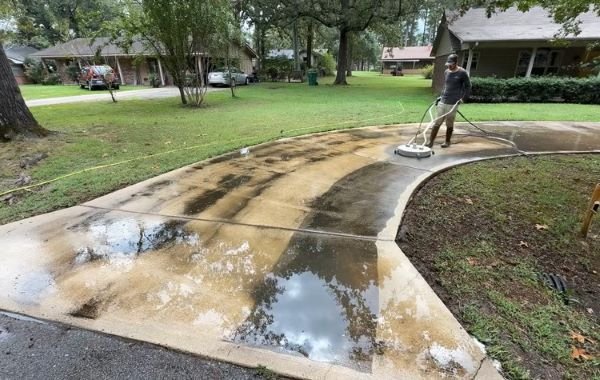
Why timing matters more in Minnesota than almost anywhere else
Most pressure washing advice is written for climates where it stays above 40 degrees most of the year. Minnesota is not that place. The freeze-thaw cycle here is brutal. Water gets into tiny cracks in your concrete, freezes, expands, and makes those cracks bigger. Do that enough times and your driveway goes from a few hairline cracks to a surface that looks like a jigsaw puzzle.
When you pressure wash, you are forcing water deep into the surface. If temperatures drop below freezing before that water dries, the same damage happens again within 24 hours of your cleaning job. You spent money and effort to make things worse.
This is why you need to think about timing based on actual Minneapolis weather patterns, not generic advice you find online.
The best time: late spring, specifically May into early June
This is the sweet spot for most homeowners in the Minneapolis area. By mid to late May, overnight temperatures are consistently staying above 50 degrees. The ground has had time to fully thaw. You are not fighting residual frost. And the surface has enough time to dry completely before any chance of a cold snap.
Late spring also makes practical sense because this is when you are cleaning up all the winter mess at once. Salt stains, sand buildup, oil from winter engine warm-ups, and general grime from months of snow and slush all come off in one go. You also get the benefit of the full summer season ahead, giving sealant you apply afterward the warmest possible time to cure properly.
Green light checklist
- At least two consecutive nights above 50 degrees with more warm nights in the forecast
- No rain in the forecast for 24 to 48 hours after washing
- Ground temperature above freezing, not just air temperature
- Daylight hours long enough for the surface to fully dry same day
Fall pressure washing is the second best window, and it serves a different purpose. The idea here is to clean the driveway before winter, remove any summer oil buildup, and then seal it so it is protected going into the cold months.
The window is tight. In Minneapolis, overnight temps start dropping into the 30s by mid-October, and you do not want to pressure wash a surface that is going to see frost within a day or two. Aim for September through the first week of October. You want a run of warm dry days with nights staying comfortably above 45 degrees.
One thing a lot of homeowners skip: if you pressure wash in fall, follow it with a quality concrete sealer once the surface is dry. That sealer blocks moisture from getting into the pores before the freeze-thaw cycle starts. It is one of the best things you can do for driveway longevity in this climate.
Spring
Best window
Late May into June. Ground thawed, nights warm, full summer ahead for drying and sealing.
Summer
Good anytime
Fine all season. Just avoid washing right before rain or in extreme heat above 90°F where water evaporates too fast.
Fall
Early fall only
September to early October. After mid-October the risk of frost damage after washing increases sharply.
Winter
Do not wash
Freezing temps and snow make this a bad idea. Water in cracks will freeze and expand, worsening damage.
Salt is the main villain for Minneapolis driveways. Road salt and the deicing chemicals the city uses are corrosive. They do not just sit on the surface, they work their way into the concrete over months. Left year after year, they accelerate the spalling process where the surface layer starts to flake and pit. Once that starts happening, pressure washing alone will not fix it.
The other issue is staining. Oil, rust from metal furniture, tire marks, and organic buildup from leaves all bond more deeply into concrete the longer they sit. A stain that is one season old comes off much easier than one that has been baking in summer heat for two or three years.
Cleaning once a year is not excessive. For a Minneapolis driveway it is just maintenance, the same as changing your furnace filter or cleaning your gutters.
Pressure matters. Most residential driveways clean well at 2,000 to 3,000 PSI. Going higher than that on older or already cracked concrete can blow out pieces of the surface, especially on driveways that have seen a few rough winters. If the surface already has cracks or spalling, go lower and stay farther back.
Soap helps. Water alone does a decent job on dirt, but a concrete degreaser or a dedicated driveway detergent makes a real difference on oil stains and salt deposits. Let it sit on the surface for a few minutes before rinsing.
Distance from the surface matters too. Keeping the nozzle 12 to 18 inches away and using a wide-angle tip gives you cleaning power without etching the surface. A narrow zero-degree tip is great for cutting through stubborn stains in small areas, but dragging it across the whole driveway leaves streak marks that show up once it dries.
What to do right after washing
- Let it dry for a minimum of 24 hours before applying sealer
- Inspect for new cracks while the surface is clean and wet stains are visible
- Fill any cracks with a concrete crack filler before sealing
- Apply a penetrating concrete sealer in fall for maximum winter protection
Renting a pressure washer works fine if the job is straightforward. But a few situations are worth handing off to someone who does this regularly.
If your driveway has significant staining from oil or chemicals, if there is efflorescence (the white chalky salt deposits) that does not respond to basic cleaning, or if you are not sure about the right pressure settings for your specific surface, a professional is going to get better results and cause less risk of accidental damage.
Older driveways in particular benefit from someone who knows how to read the condition of the concrete and adjust accordingly. Surface that looks solid can have underlying issues that show up fast under high pressure if you do not know what to look for.
Need your driveway professionally cleaned in Minneapolis?
Trusted Fix Handyman handles pressure washing, exterior maintenance and handyman services throughout the Minneapolis area.